
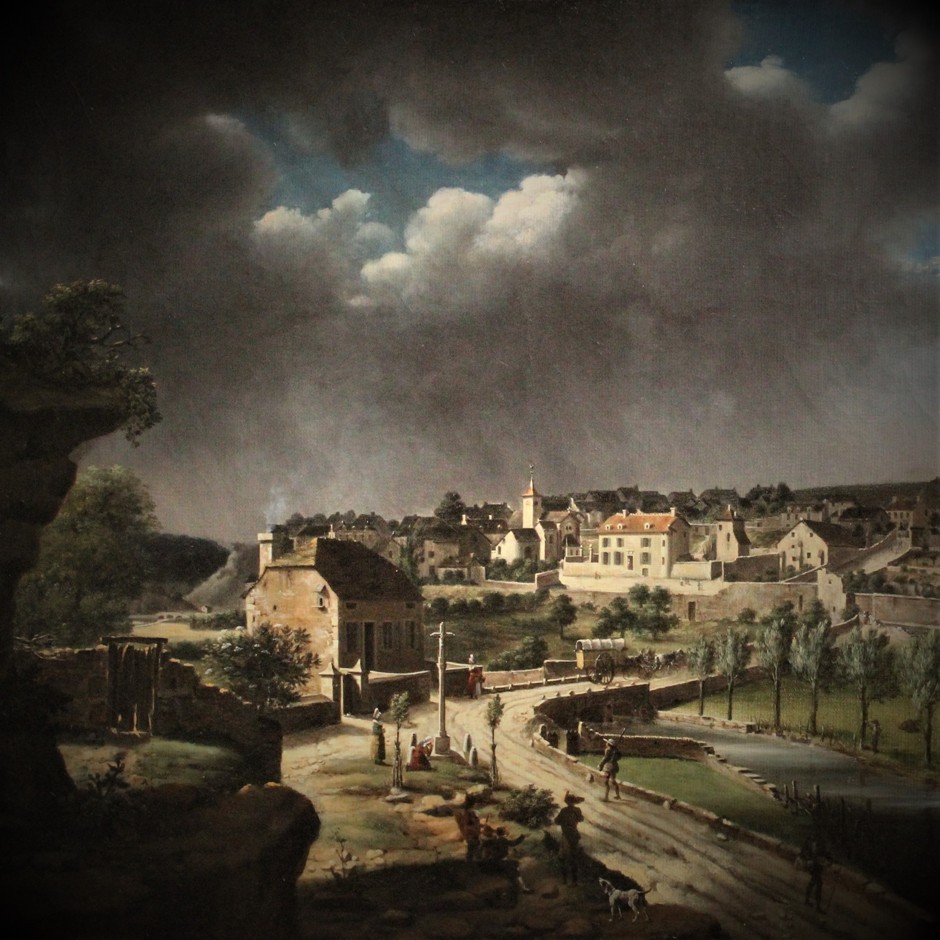
 View larger
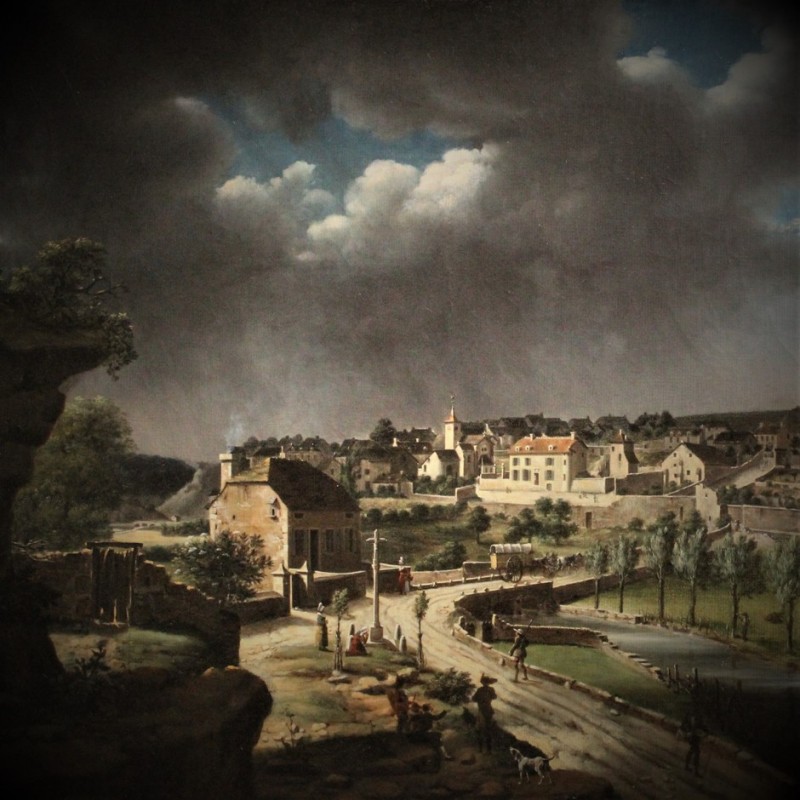
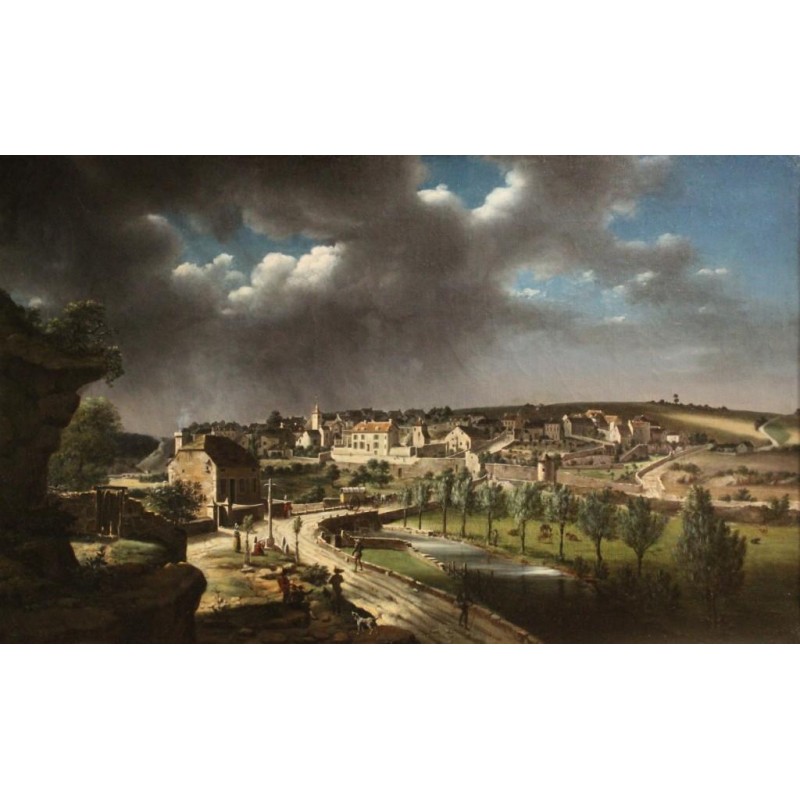
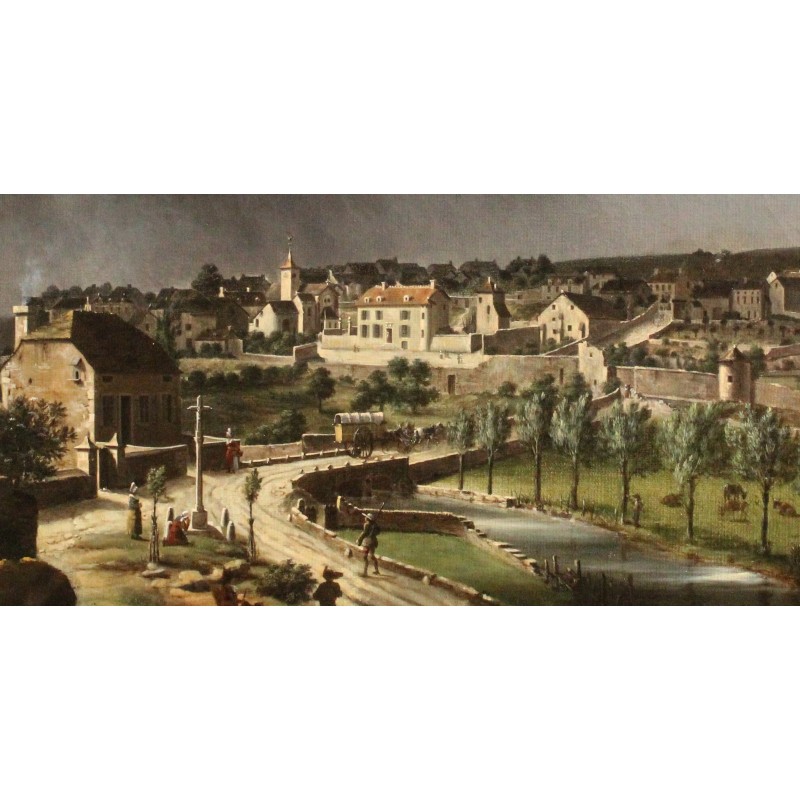
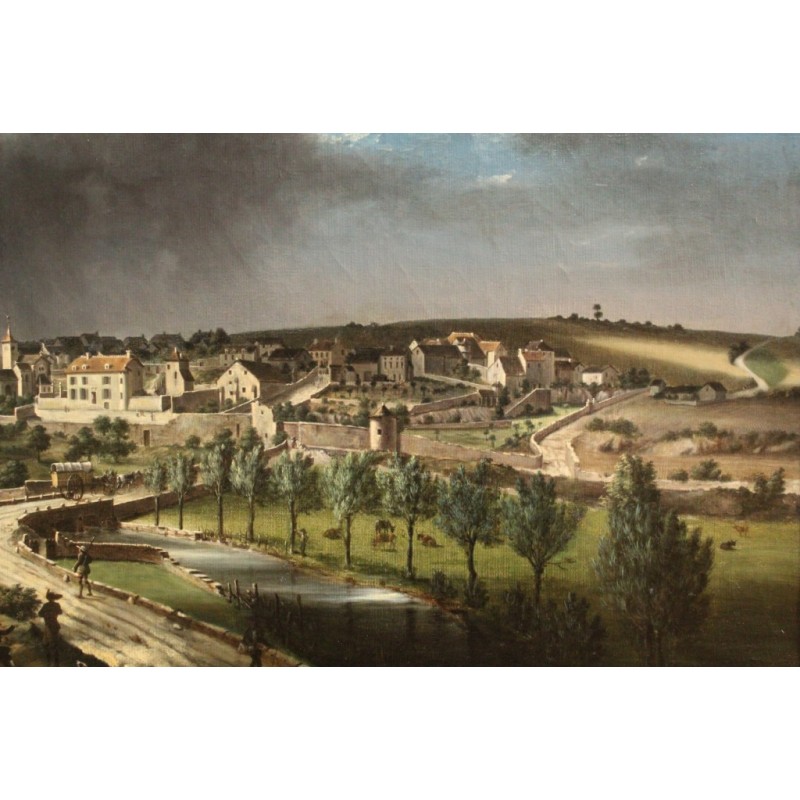
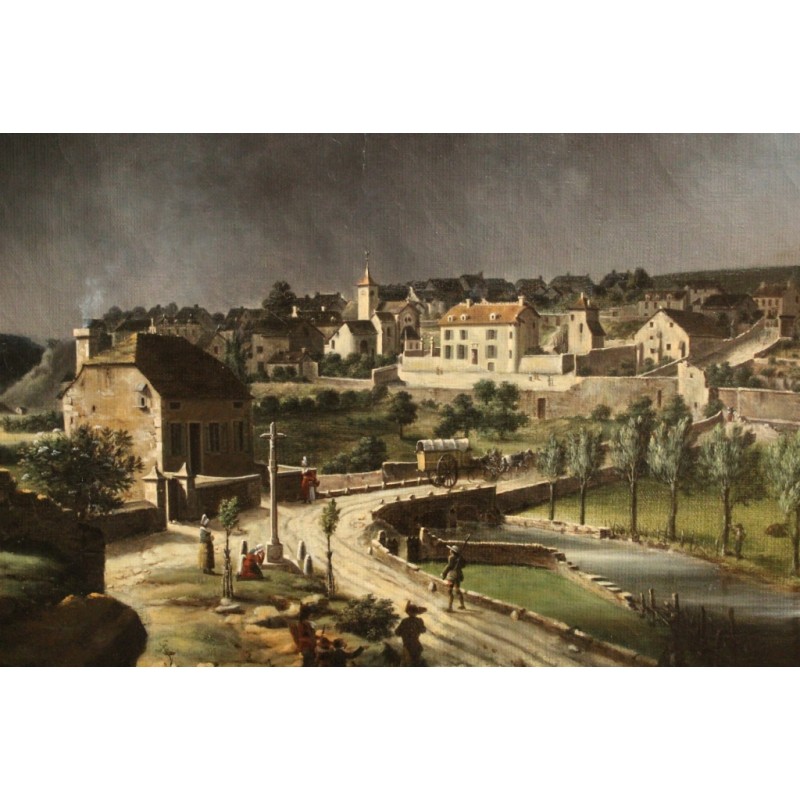
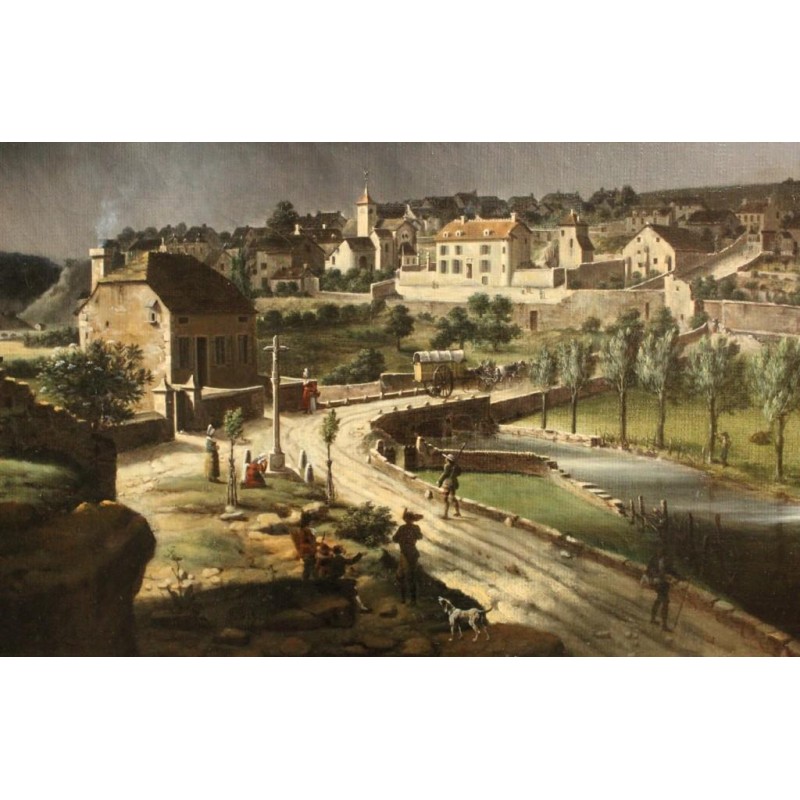
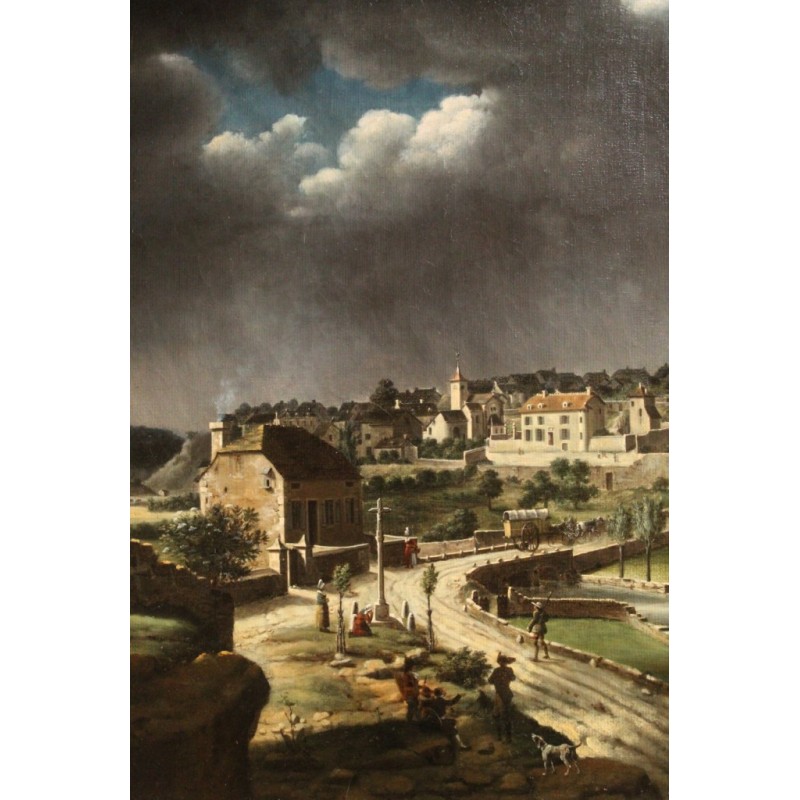
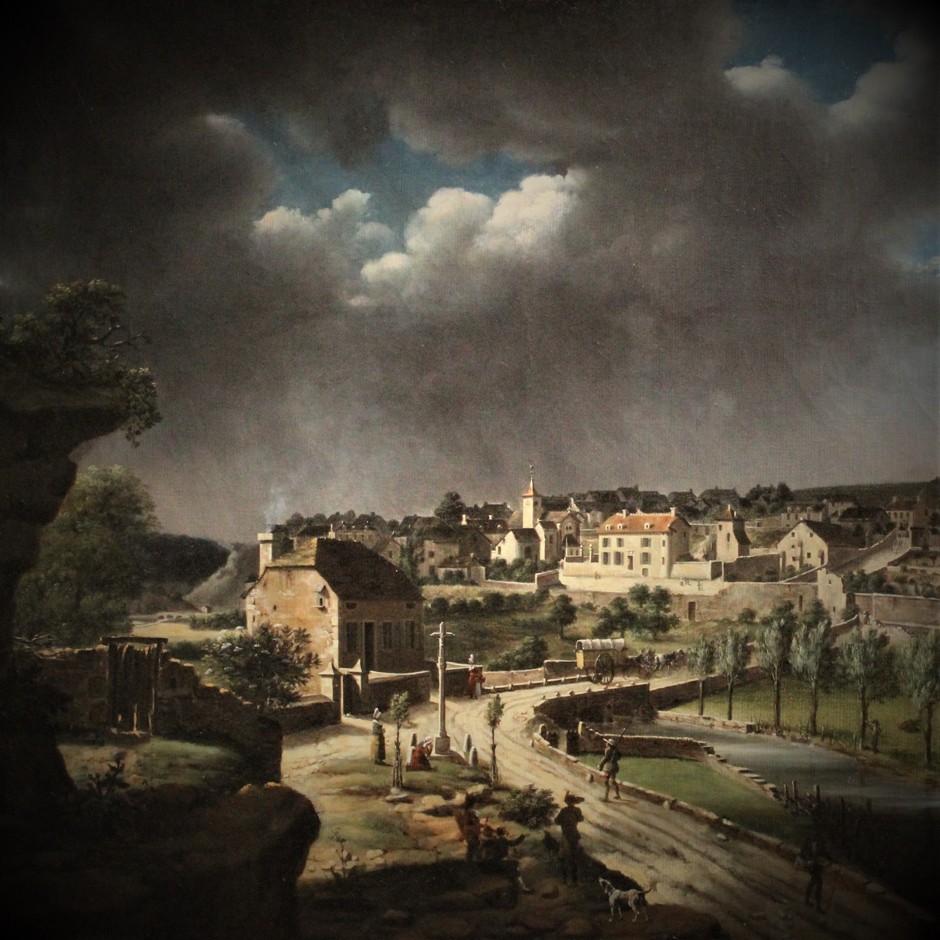
Etienne Bouhot (1780-1862)
Demande d'informations
| Oil on canvas |
| Hauteur : 91,5 cm - Largeur : 57 cm |
| Circa 1832 |
| Restaurations |
More info
We would like to thank Sandrine Balan, curator at the Dijon Museum and specialist in the artist, for confirming the authenticity of the work, which she will include in her catalogue raisonné currently in preparation.
Étienne Bouhot was born in 1780 in Bard (Côte-d'Or), the third child in a large family. At the age of six, he left his native village for Saulieu, where his father, a former soldier, had been appointed cavalry constable. His stay there was brief, as the family soon moved to Recey-sur-Ource, where he spent his childhood and retained a deep attachment to the region. Every year during the holidays, he returned to see his older brother and to visit Countess Victorine de Chastenay, his first patron.
He frequented the studio of the painter Mercy in Dijon before leaving for Paris, where he joined the studio of the decorator Charles Moench and worked on the decoration of Bonaparte's apartments in the Tuileries. In 1804, he joined Pierre Prévost, master of panoramas, which enabled him to acquire a great mastery of perspective.
From 1808, Bouhot exhibited at the Salon and won medals in 1810, 1817 and 1827. A fashionable painter, his clientele included the Duke of Orléans, the Duchess of Berry, Louis XVIII, Prince Woronzow and the Ministry of the Interior. He collaborated with artists such as Xavier Leprince and Léopold Boilly. His pupils included his son Philibert Bouhot, Alexandre Decamps, E. Nesle and P. Travaux.
Although his career took place in Paris, he remained attached to Burgundy and stayed there regularly. In June and October 1832, he worked in Recey-sur-Ource for the Countess Victorine de Chastenay and stayed with her brother Jacques Georges. Our painting was most likely produced that year, on commission from the countess. A study in ink and wash is kept at the museum in Semur-en-Auxois, with the inscription: Recey-sur-Ource, Côte-d'Or. (Ill. 1)
After the death of his two sons, Bouhot left Paris in 1834 and became director of the free school of drawing and sculpture in Semur-en-Auxois. Thanks to the generosity of his friends, he amassed a collection of works that led to the founding of the town museum.
For 20 years, he participated in the restoration of the murals of the Collegiate Church of Semur. He died tragically as a result of a fall on this site on 17 July 1862, alongside Viollet-le-Duc.
Bouhot specialised in scenes of Parisian streets, gardens and bustling suburbs, and skilfully depicted life during the Empire and the Restoration. His style, characterised by attention to detail and a subtle play of light and shadow, earned him critical acclaim. His work was already highly sought-after during his lifetime, and can now be seen in several museums, including the Louvre and the Carnavalet Museum.
Avis
Aucun avis n'a été publié pour le moment.