Spread the world

Karl GIRARDET et Paul PAUQUET

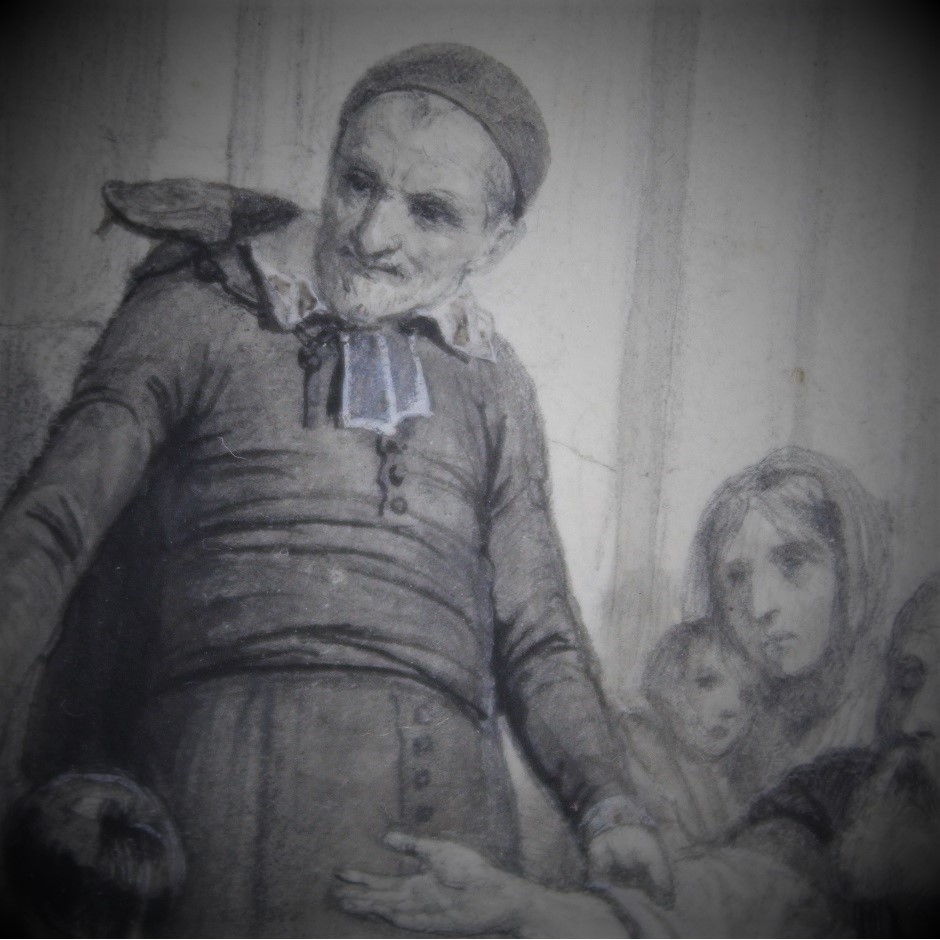
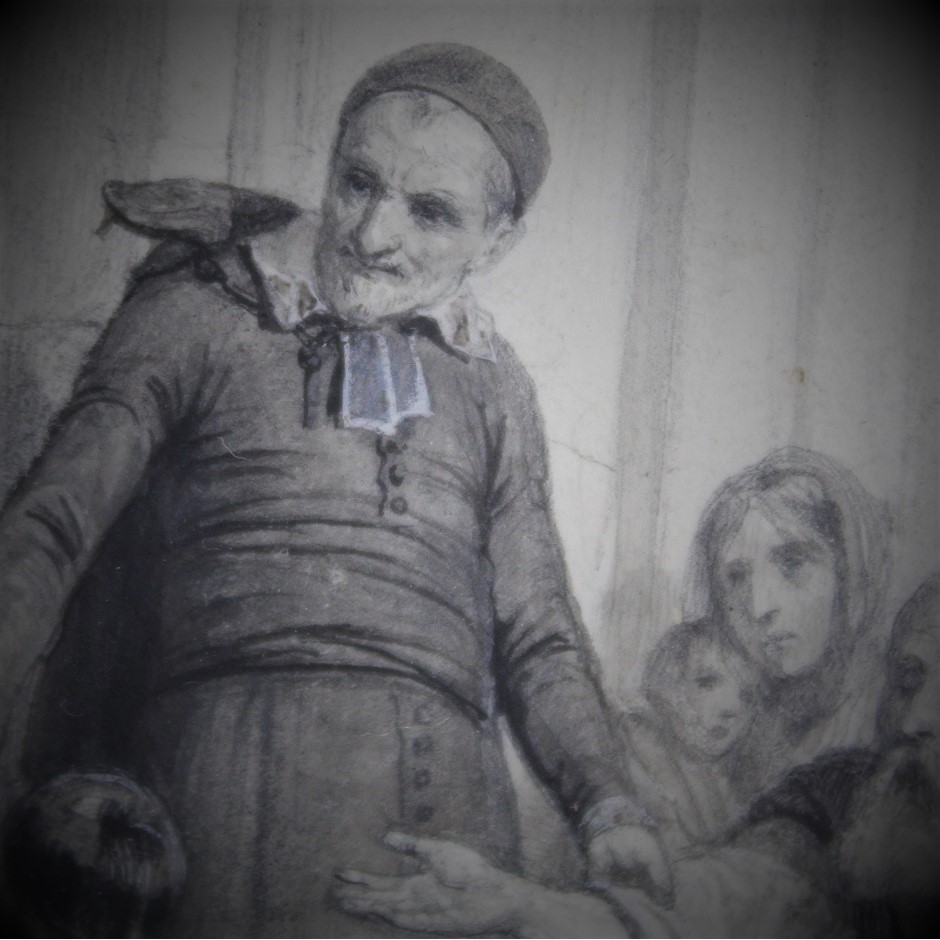
Scenes from the Life of Saint Vincent de Paul

Demande d'informations

SOLD
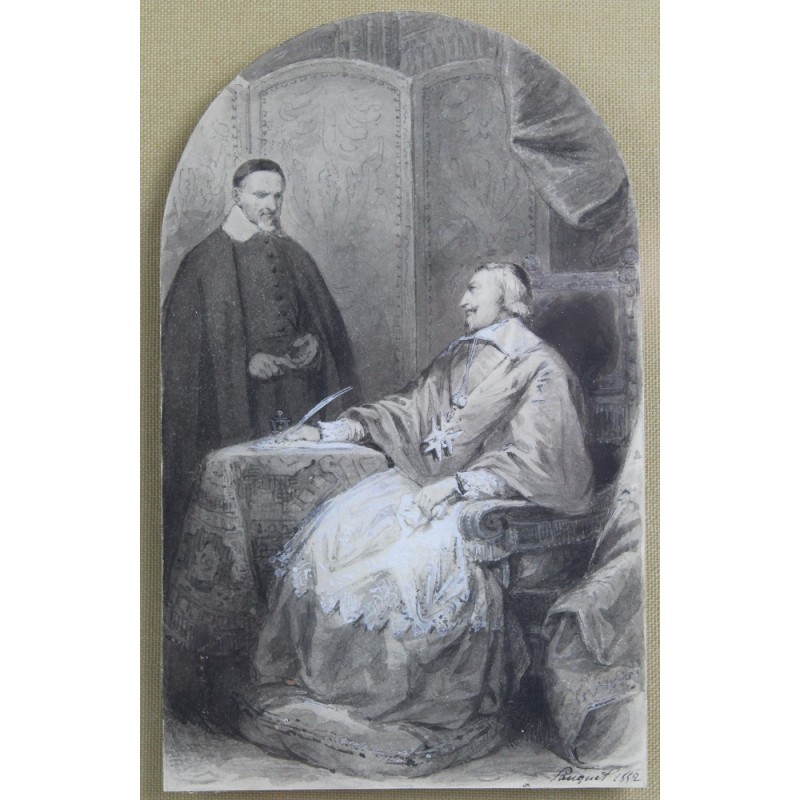
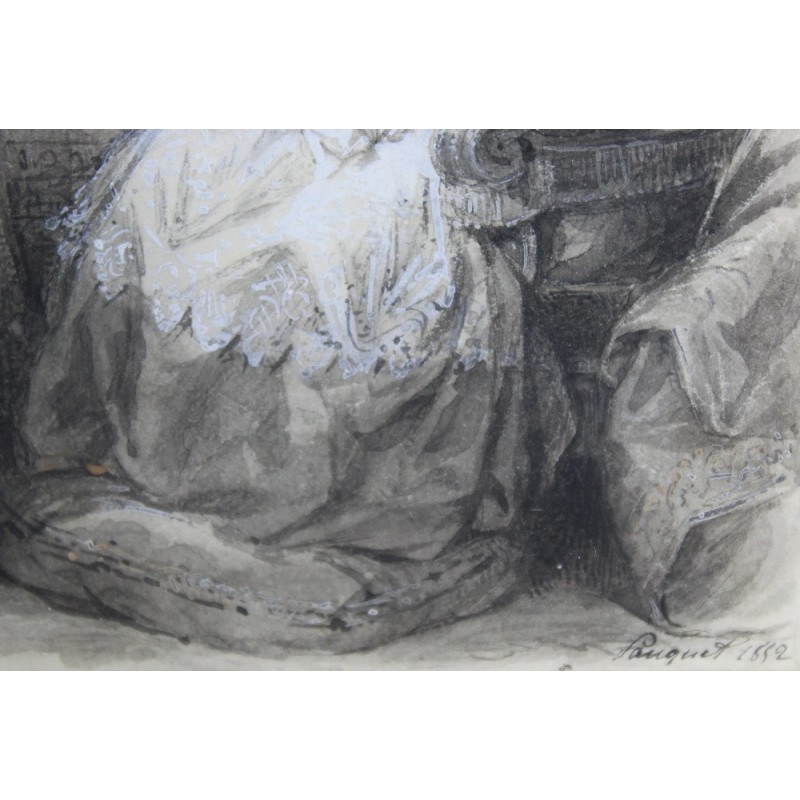
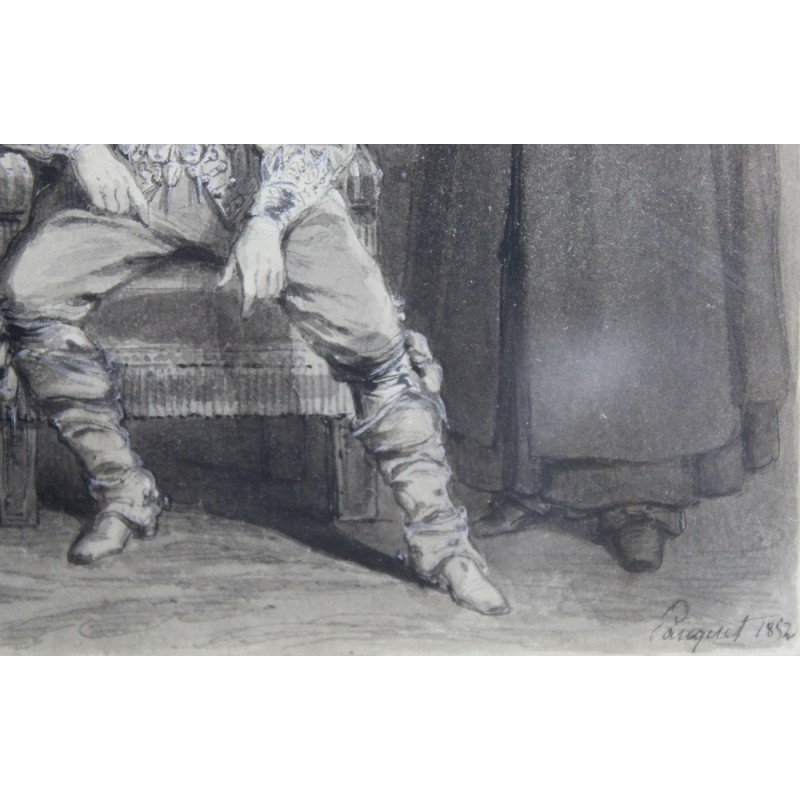
Signed lower right and dated 1852
Black charcoal and white highlights on paper
14 cm x 8,5 cm

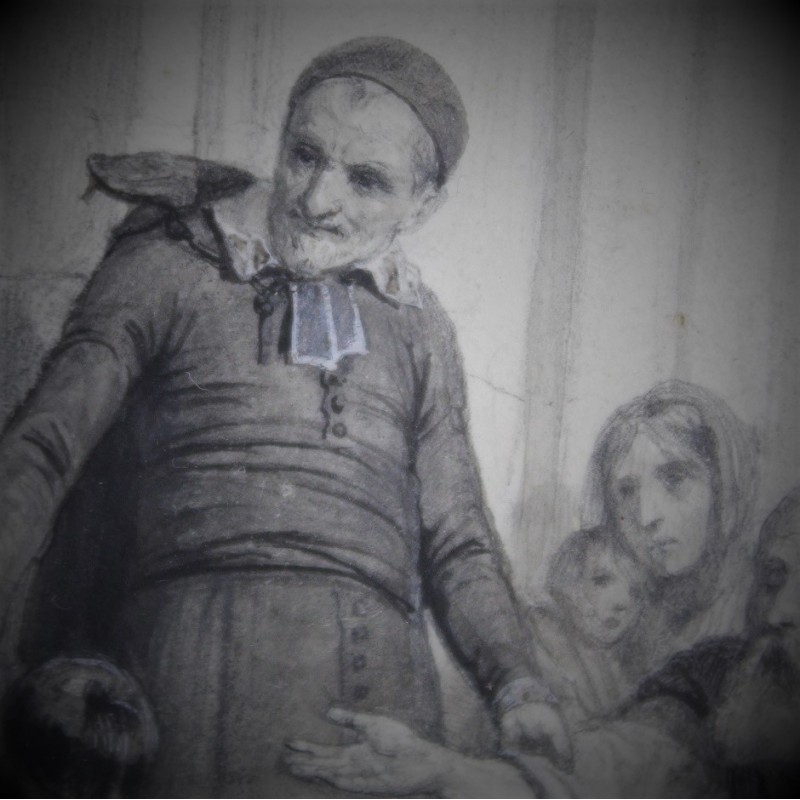
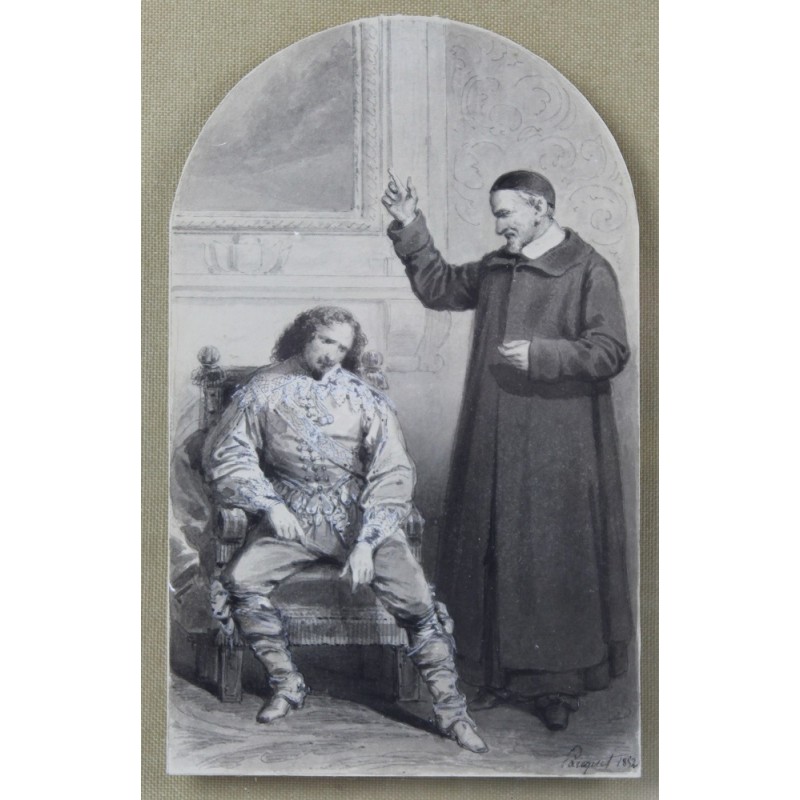
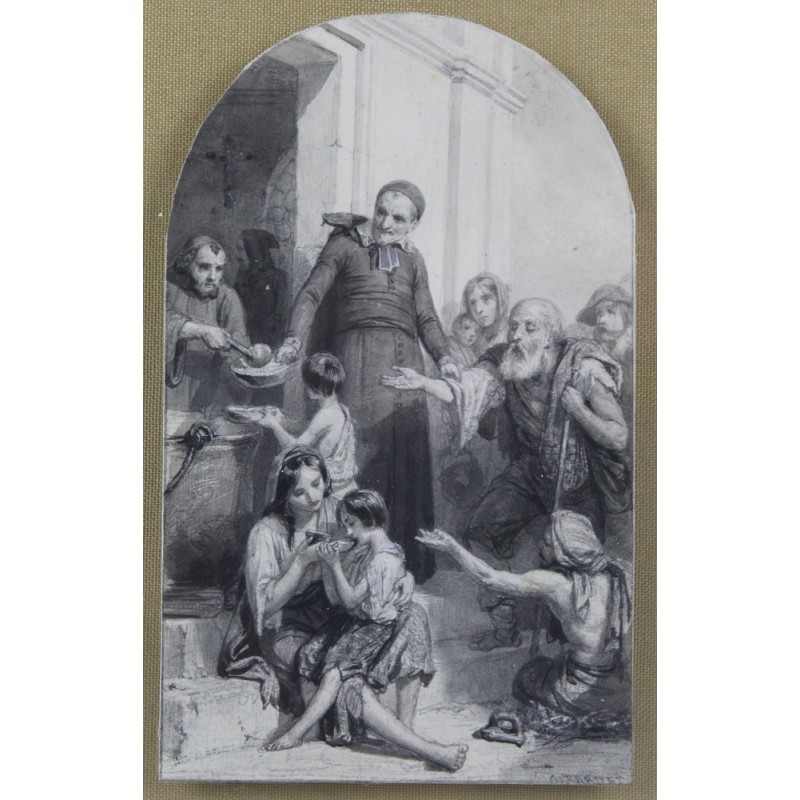
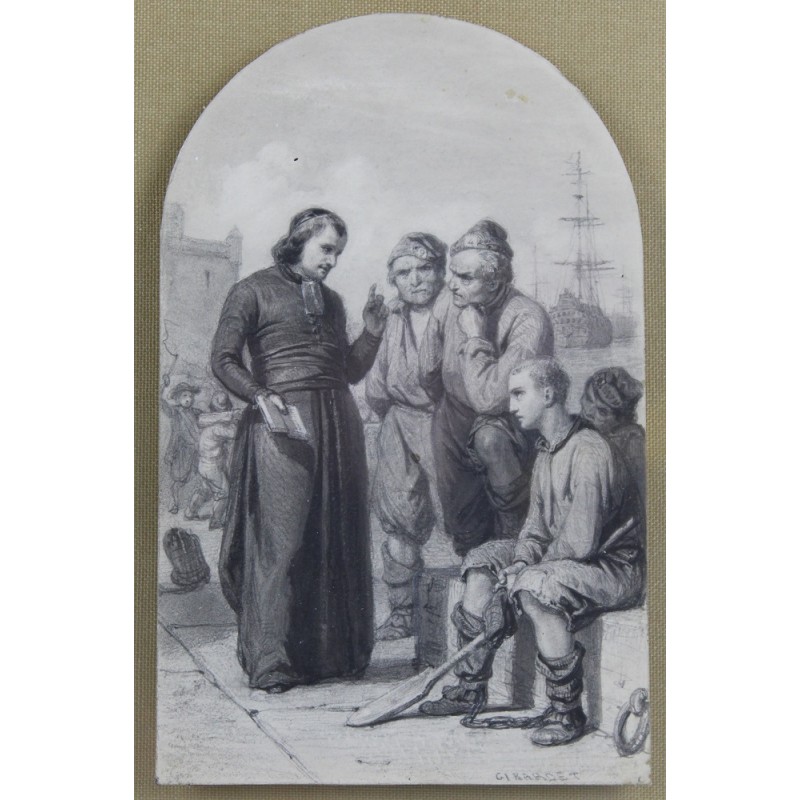
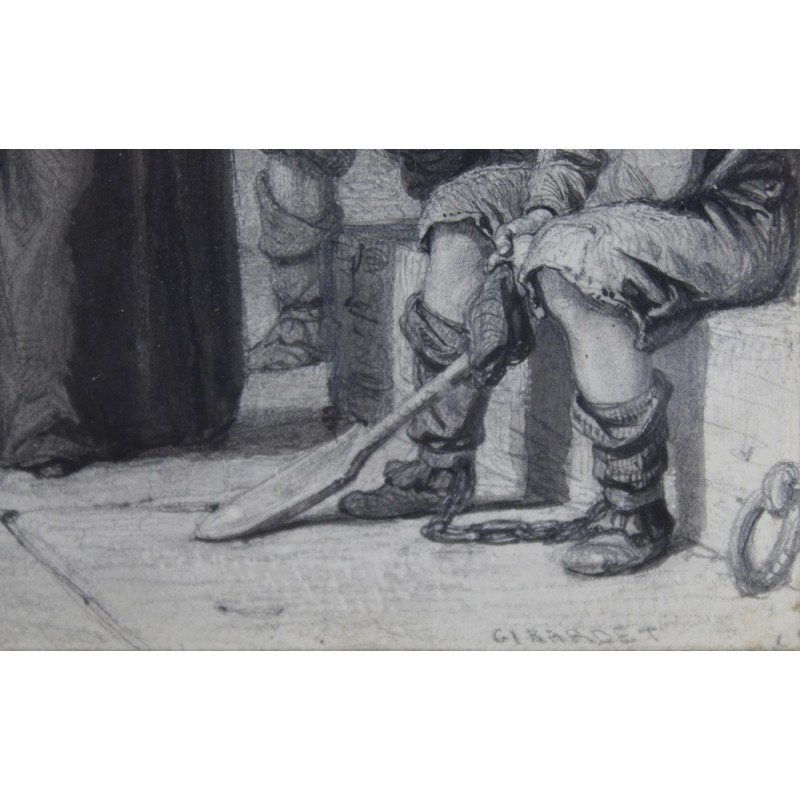
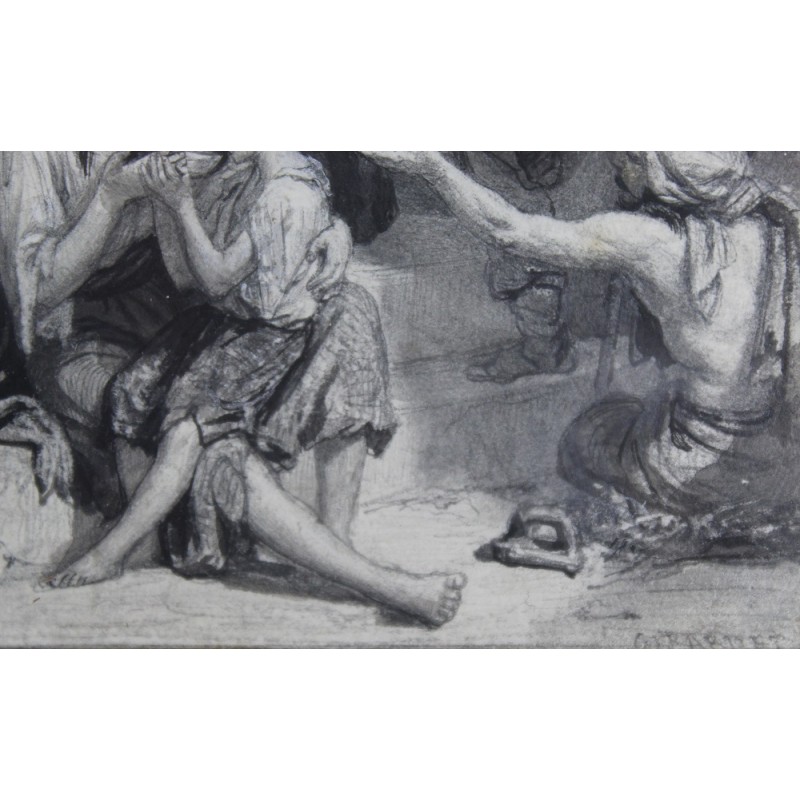
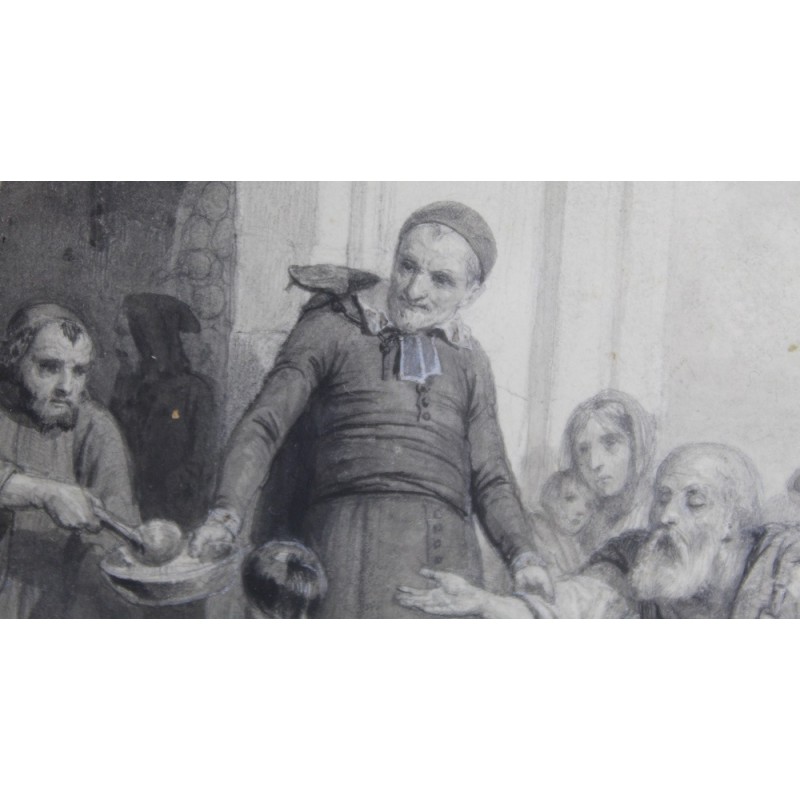
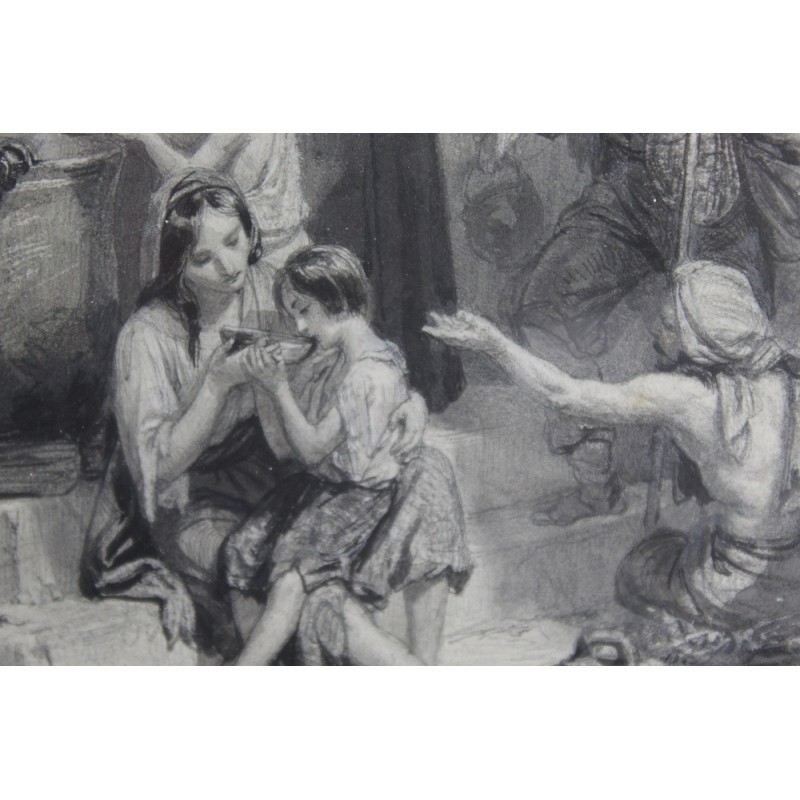
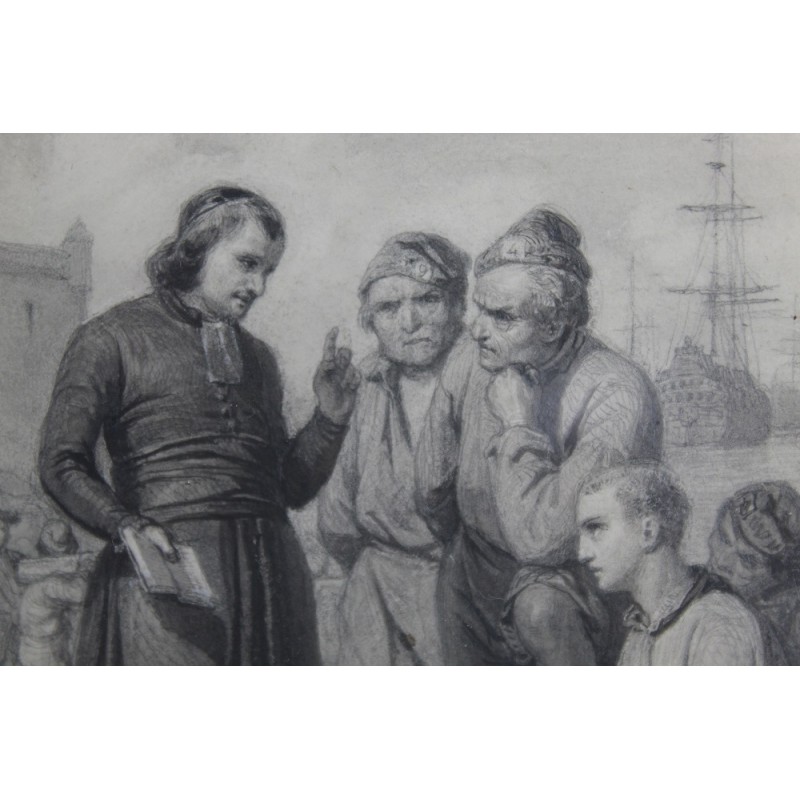
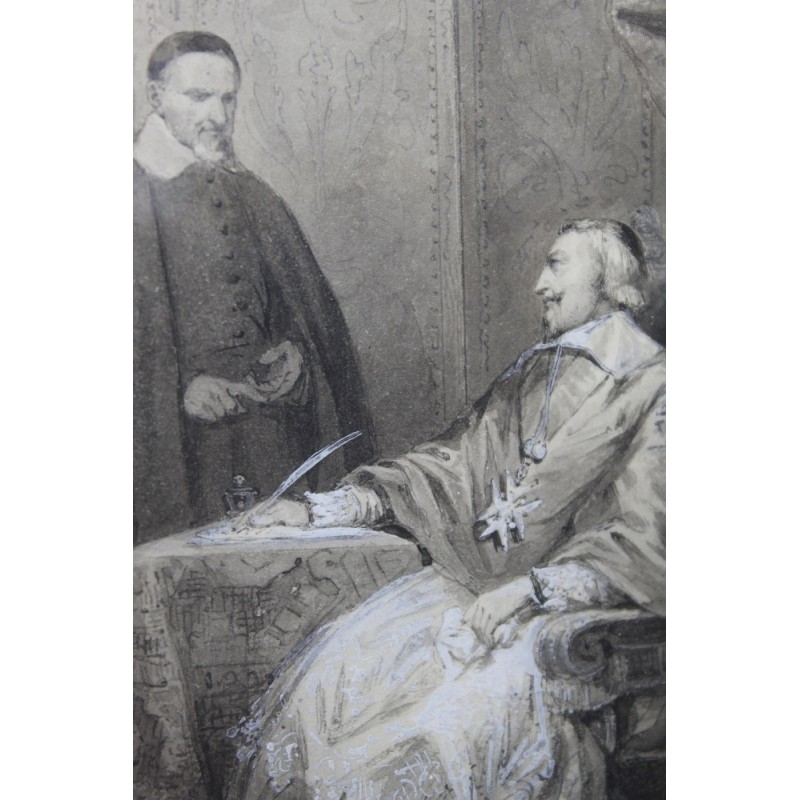
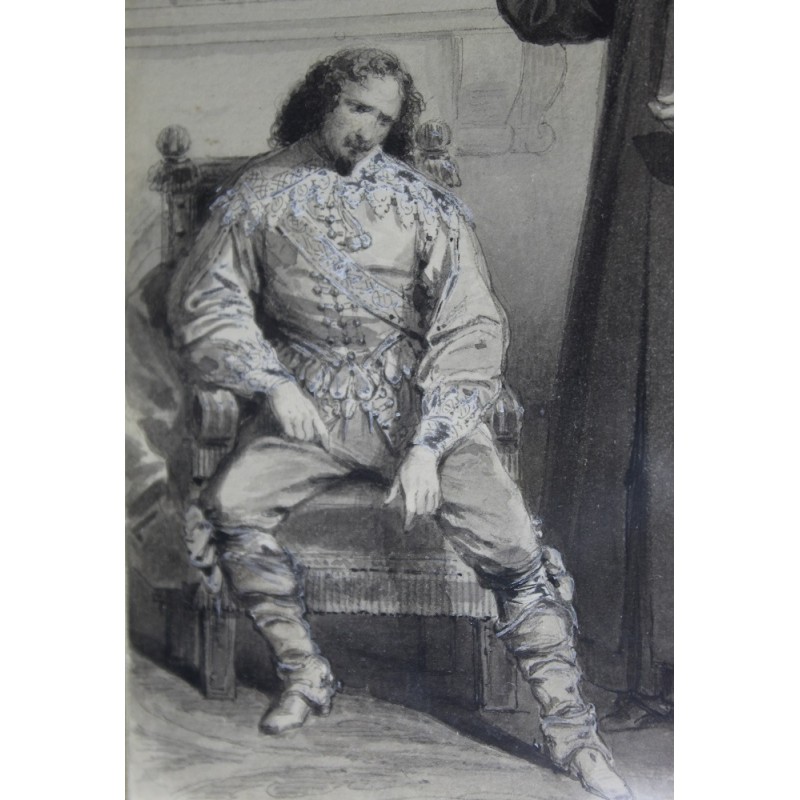
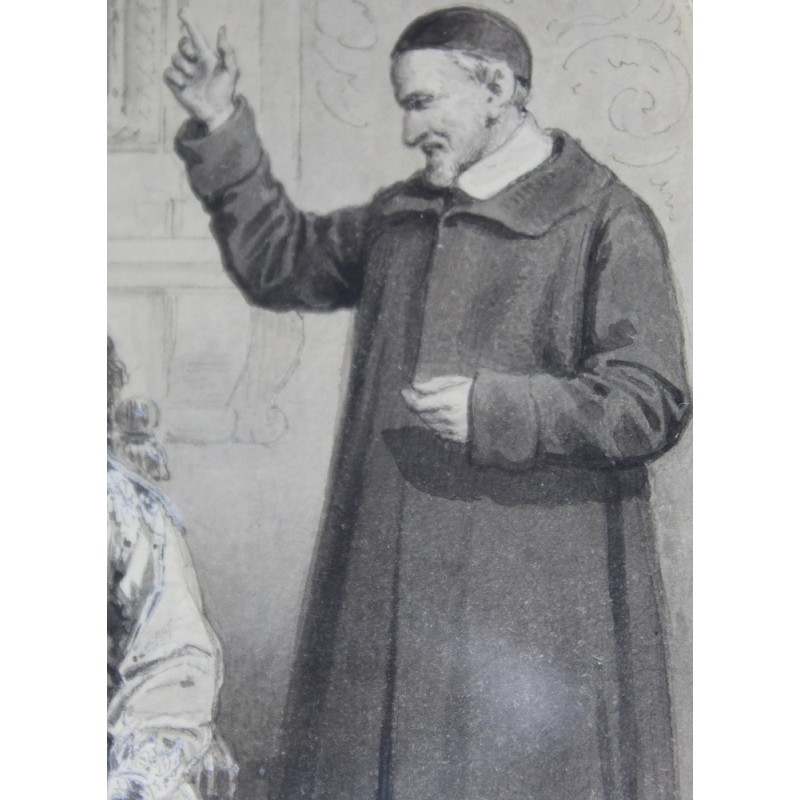
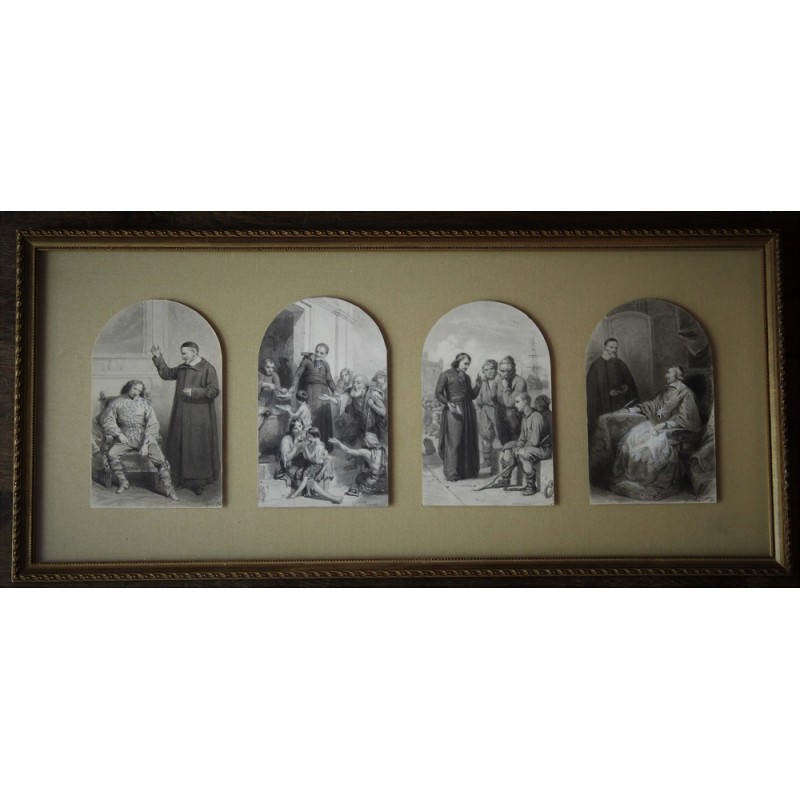
These are preparatory works used to create the engravings illustrating Abbé Orsini's book “Histoire de Saint Vincent de Paul” (History of Saint Vincent de Paul), 1852.


“Saint Vincent de Paul Distributing Soup to the Poor” and “Saint Vincent de Paul Preaching to the Galley Slaves” are by Karl Girardet.

“Saint Vincent de Paul and King Louis XIII” and “Saint Vincent de Paul and Mazarin” are by Hippolyte Pauquet.

Karl GIRARDET (1813-1871):

Painter born in Le Locle (Switzerland) on May 13, 1813, died in Paris in 1871.
The eldest son of Charles Samuel and the most prominent member of the large Girardet family, he was nine years old when he came to Paris. He entered Léon Cogniet's studio and made his debut at the 1836 Salon with small genre subjects.
Some biographers have classified Karl Girardet as belonging to the French school; however, by virtue of his genius and his birth, he belongs to the Swiss school.
His success was immediate, and his first submissions earned him a medal at the Salon.
In 1842, he was awarded another medal for a painting commissioned by the city of Neuchâtel: “Assemblée de Protestants surpris par des Troupes Catholiques” (Assembly of Protestants Surprised by Catholic Troops), exhibited at the 1842 Salon and reproduced in engraving, which became popular.
Karl Girardet was one of Louis-Philippe's favorite painters and received numerous commissions from the royal family. The king paid for his trip to Egypt with his brother Edouard, where they were to execute the paintings commissioned for Versailles.

Karl chose as his subject: “Gaucher de Châtillon defending alone the entrance to a street in the Faubourg de Munich,” which appeared at the Salon of 1844. It was also he who was appointed in 1846 by Louis Philippe to paint, with Blanchard, the ceremonies of the Montpensier wedding in Spain. After the fall of the monarchy, Grirardet left Paris and settled in Brienz near his brother Edouard. From then on, Karl devoted much of his time to landscape painting. In addition to his trip to Egypt, the artist had visited Italy and Spain, bringing back numerous sketches that he published in the “Magasin Pittoresque,” the “Tour du Monde,” and in many other works for which he provided illustrations.

His works are exhibited in museums such as the Louvre, Versailles, Chantilly, Reims, Nantes, Algiers, Amsterdam, Rouen, and others.


Hippolyte PAUQUET (1797-1871):

Engraver, draftsman, and lithographer, born in Paris on February 28, 1797.
Initially a pupil of his father Louis Pauquet, he then entered the École des Beaux-Arts on August 10, 1812, and subsequently exhibited at the Salon from 1821 to 1849. Hippolyte Pauquet worked almost constantly in collaboration with his younger brother Polydore Pauquet on engravings. He was also an illustrator and held an honorable place among the so-called romantic artists. He produced vignettes for Les Contes du Passé, Les Français peint par eux-mêmes, and Le Beranger in 1847. His engraved work is significant and includes, in particular, Modes et Costumes Historiques Par Pauquet frères, 1862 (96 plates), which is not without merit.

Source: E.BENEZIT

Demande d'informations à propos de Karl GIRARDET et Paul PAUQUET Scenes from the Life of Saint Vincent de Paul


More info


“Saint Vincent de Paul Distributing Soup to the Poor” and “Saint Vincent de Paul Preaching to the Galley Slaves” are by Karl Girardet.

“Saint Vincent de Paul and King Louis XIII” and “Saint Vincent de Paul and Mazarin” are by Hippolyte Pauquet.

Karl GIRARDET (1813-1871):

Painter born in Le Locle (Switzerland) on May 13, 1813, died in Paris in 1871.
The eldest son of Charles Samuel and the most prominent member of the large Girardet family, he was nine years old when he came to Paris. He entered Léon Cogniet's studio and made his debut at the 1836 Salon with small genre subjects.
Some biographers have classified Karl Girardet as belonging to the French school; however, by virtue of his genius and his birth, he belongs to the Swiss school.
His success was immediate, and his first submissions earned him a medal at the Salon.
In 1842, he was awarded another medal for a painting commissioned by the city of Neuchâtel: “Assemblée de Protestants surpris par des Troupes Catholiques” (Assembly of Protestants Surprised by Catholic Troops), exhibited at the 1842 Salon and reproduced in engraving, which became popular.
Karl Girardet was one of Louis-Philippe's favorite painters and received numerous commissions from the royal family. The king paid for his trip to Egypt with his brother Edouard, where they were to execute the paintings commissioned for Versailles.

Karl chose as his subject: “Gaucher de Châtillon defending alone the entrance to a street in the Faubourg de Munich,” which appeared at the Salon of 1844. It was also he who was appointed in 1846 by Louis Philippe to paint, with Blanchard, the ceremonies of the Montpensier wedding in Spain. After the fall of the monarchy, Grirardet left Paris and settled in Brienz near his brother Edouard. From then on, Karl devoted much of his time to landscape painting. In addition to his trip to Egypt, the artist had visited Italy and Spain, bringing back numerous sketches that he published in the “Magasin Pittoresque,” the “Tour du Monde,” and in many other works for which he provided illustrations.

His works are exhibited in museums such as the Louvre, Versailles, Chantilly, Reims, Nantes, Algiers, Amsterdam, Rouen, and others.


Hippolyte PAUQUET (1797-1871):

Engraver, draftsman, and lithographer, born in Paris on February 28, 1797.
Initially a pupil of his father Louis Pauquet, he then entered the École des Beaux-Arts on August 10, 1812, and subsequently exhibited at the Salon from 1821 to 1849. Hippolyte Pauquet worked almost constantly in collaboration with his younger brother Polydore Pauquet on engravings. He was also an illustrator and held an honorable place among the so-called romantic artists. He produced vignettes for Les Contes du Passé, Les Français peint par eux-mêmes, and Le Beranger in 1847. His engraved work is significant and includes, in particular, Modes et Costumes Historiques Par Pauquet frères, 1862 (96 plates), which is not without merit.

Source: E.BENEZIT

Avis

Aucun avis n'a été publié pour le moment.

Donnez votre avis

Karl GIRARDET et Paul PAUQUET

Karl GIRARDET et Paul PAUQUET

These are preparatory works used to create the engravings illustrating Abbé Orsini's book “Histoire de Saint Vincent de Paul” (History of Saint Vincent de Paul), 1852.